
If you run an e-commerce business, you already know this truth: Great products get attention — but great fulfilment keeps customers coming back.
From fast delivery to flawless packing and easy returns, fulfilment plays a huge role in how customers experience your brand. And sooner or later, every growing business faces the same question:
Do we keep fulfilment in-house… or is it time to outsource?
In this guide, we’ll break down in-house fulfilment vs 3rd party logistics services, look at the pros and cons of each, and help you figure out what actually makes sense for your business — not just what worked for someone else.
Related Reading: How the right 3PL fuels growth for small brands
First things first: what do we mean by 3PL and in-house fulfilment
Before we compare, let’s get clear on the basics.
What is 3PL fulfilment?
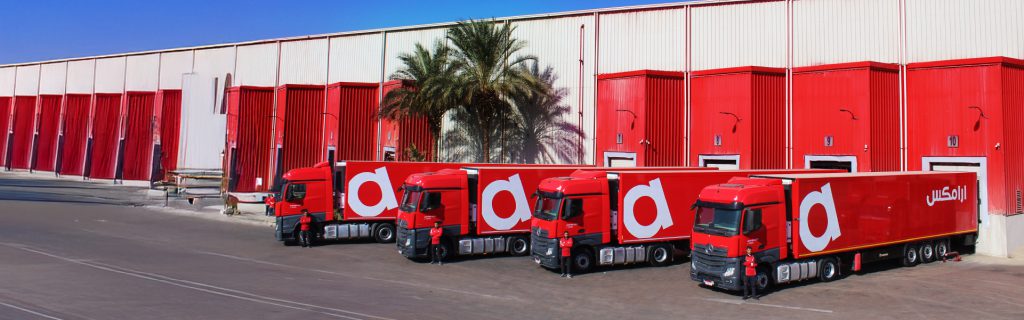
Third-party logistics (3PL) is when you hand over your storage, packing, and shipping to a specialist provider. These companies offer 3PL logistics solutions that cover everything from warehousing to last-mile delivery.
In simple terms? You sell the product. They get it to your customer.
3PLs are a popular choice for brands looking to scale their e-commerce fulfilment without building their own logistics operation from scratch.
What is in-house fulfilment?
In-house fulfilment means you do it all yourself.
Your stock lives in your warehouse (or office, garage, spare room — no judgement). Your team picks, packs, ships orders, manages returns, and deals with delivery-related customer queries.
It gives you total control — but it also gives you total responsibility.
Related Reading: The safest way to scale: 3PL warehousing explained
The upside of 3PL: why outsourced fulfilment is so popular
For many growing brands, outsourced fulfilment feels like a weight off their shoulders — and for good reason.
1. Lower upfront costs (and fewer headaches)
Setting up in-house fulfilment isn’t cheap. Warehousing, equipment, staff, systems — it all adds up fast.
With 3rd party logistics services, you skip most of that. You pay for what you use, when you use it. No massive upfront investment, no long-term warehouse leases.
2. Built-in scalability
Big sale? Seasonal spike? Viral TikTok moment?
A good 3PL can scale with you — handling higher order volumes without you scrambling to hire, train, or find extra space. That flexibility is gold for fast-growing eCommerce brands.
3. Logistics expertise you don’t have to build
Let’s be honest — fulfilment is complex.
3PL providers live and breathe logistics. Their systems are designed to optimise picking routes, reduce errors, and speed up delivery. Many offer advanced tracking, reporting, and inventory insights that help you run smarter, not harder.
4. Faster delivery, wider reach
With multiple warehouses and distribution hubs, 3PL logistics solutions can get products closer to customers — which often means faster shipping and happier buyers, especially if you’re selling across regions or borders.
The appeal of in-house fulfilment
For some businesses, in-house fulfilment still makes perfect sense.
1. Total control, start to finish
Want custom packaging? Handwritten notes? Extra quality checks?
In-house fulfilment gives you full control over every step, which can be a big plus for premium or highly personalised brands.
2. Flexibility to adapt quickly
Need to tweak packaging, change carriers, or trial a new unboxing experience? When fulfilment is internal, you can make changes fast — no approvals or contract amendments required.
Related Reading: The 3PL advantage: Faster growth, lower costs
The challenges of keeping fulfilment in-house
That control comes at a cost.
High investment and ongoing expenses
Warehouse space, staff wages, equipment, tech platforms — in-house fulfilment requires serious investment, especially as order volumes grow.
Time and focus drain
Every hour spent managing fulfilment is an hour not spent on marketing, product development, or customer growth. For founders and lean teams, that trade-off can hurt.
Scaling is hard work
Growth sounds great — until you realise it means more staff, more space, and more systems. Scaling in-house fulfilment takes time, money, and careful planning.
So… which is right for you?
There’s no universal answer — but these questions help.
How big (and fast-growing) is your business?
Smaller or fast-scaling brands often benefit most from outsourced fulfilment. Larger, established operations may prefer in-house control.
How complex is your product?
If your products need special handling, heavy customisation, or strict quality checks, in-house fulfilment may give you peace of mind.
Where should your time and money go?
If logistics isn’t your core strength, partnering with a 3PL can free up resources to focus on growth — while experts handle the backend.
Related Reading: The logistics playbook for startups: From first order to full scale
Key Takeaway
In-house fulfilment gives you control. 3PL logistics solutions give you scale.
The right choice depends on your business size, growth plans, resources, and customer expectations. Whether you keep fulfilment under your own roof or partner with a trusted provider, the goal is the same: smooth, reliable e-commerce fulfilment that keeps customers coming back.
Choose the model that supports your growth — not the one that slows it down. Connect with our experts today!