
E-commerce isn’t slowing down — and neither are customer expectations. Faster delivery, smoother returns, personalised experiences… It’s a lot to keep up with, especially if you’re an SME juggling growth with limited resources.
Looking ahead to 2026, e-commerce fulfilment is becoming smarter, faster, and more customer-centric than ever before. The good news? You don’t need enterprise-level budgets to benefit from these changes. You just need to know what’s coming — and where to focus.
Here are seven e-commerce fulfilment trends set to shape how SMEs operate in the next few years.
Related Reading: E-commerce fulfilment made easy for SMEs
1. E-commerce warehousing gets smarter (and smaller)
Warehouses are no longer just places to store boxes. Modern e-commerce warehousing is becoming highly automated, data-driven, and surprisingly agile.
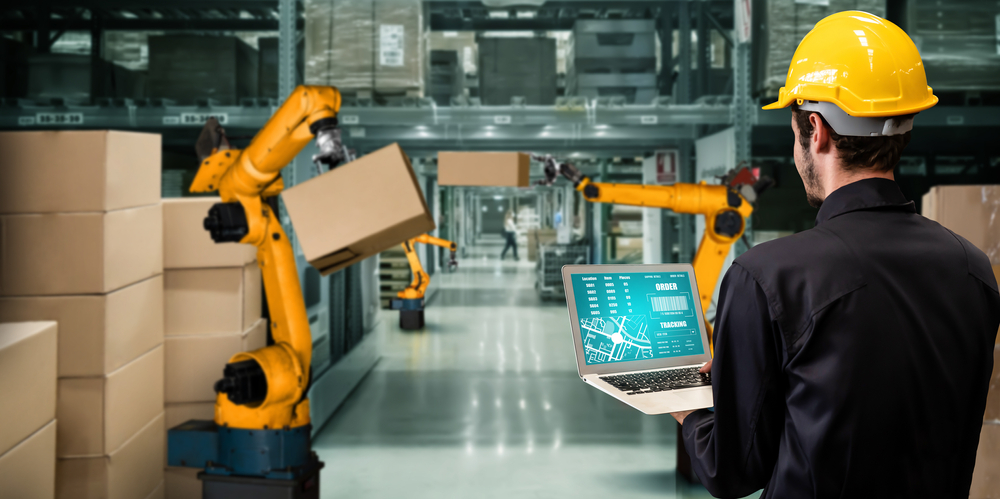
Automation — think robotics, smart conveyor systems, and automated storage and retrieval — continues to grow. These tools speed up picking and packing, reduce human error, and keep operations running around the clock.
At the same time, real-time data analytics is transforming inventory management. SMEs can track stock levels more accurately, forecast demand better, and avoid the twin nightmares of overstocking and stockouts. In 2026, smarter warehousing won’t be a “nice to have” — it’ll be essential.
2. Last-mile delivery becomes the real battleground
If e-commerce had a pressure point, it would be last-mile delivery. It’s the most visible part of the journey — and the one customers judge the hardest.
Same-day and next-day delivery expectations continue to rise, especially in urban areas. To keep up, SMEs are leaning into partnerships with local couriers and regional logistics providers who can move fast without breaking the bank.
Sustainability also plays a growing role. Customers increasingly care how their order arrives, not just when. Electric vehicles, bike couriers, and optimised routes are becoming part of the last-mile delivery conversation — and brands that offer greener options stand out.
Related Reading: Why every e-commerce brand is obsessed with e-commerce warehousing right now
3. Omnichannel fulfilment is no longer optional
Today’s shoppers don’t think in “channels”. They just expect everything to work — whether they’re buying online, on mobile, or in store.
By 2026, omnichannel fulfilment will be the norm. That means one unified view of inventory across all sales platforms, so customers see the same availability everywhere.
4. Personalisation moves into fulfilment
Personalisation isn’t just about emails and ads anymore — it’s showing up in the fulfilment experience too.
Small touches like branded packaging, personalised thank-you notes, or custom inserts turn deliveries into memorable moments. It’s an easy way for SMEs to compete with bigger brands on experience, not scale.
Delivery preferences are also becoming more personalised. Giving customers the option to choose delivery times, leave instructions, or redirect parcels adds flexibility — and reduces missed deliveries.
5. AI starts doing the heavy lifting
Artificial intelligence and machine learning are quietly reshaping e-commerce fulfilment behind the scenes.
AI-powered forecasting tools help SMEs predict demand more accurately, so inventory levels stay aligned with real buying behaviour. That means less waste, fewer shortages, and healthier cash flow.
On the delivery side, machine learning is optimising routes in real time — cutting down on fuel use, delivery times, and emissions. For growing businesses, this kind of efficiency adds up fast.
Related Reading: This is what express delivery really means (and why it matters more than ever)
6. Customer experience becomes a fulfilment priority
In 2026, fulfilment won’t just be operational — it’ll be experiential.
Customers expect full visibility once they click “buy”. Real-time tracking, accurate delivery estimates, and proactive updates build trust and reduce support queries.
Returns also matter more than ever. A simple, hassle-free returns process — with clear policies and prepaid labels — can be the difference between a one-time buyer and a repeat customer. SMEs that make returns easy will win long-term loyalty.
7. Micro-fulfilment centres move closer to customers
Micro-fulfilment centres — small, automated hubs located near urban areas — are gaining serious traction.
By storing fast-moving products closer to customers, SMEs can shorten delivery times and reduce last-mile delivery costs. These centres also allow for quicker replenishment and better inventory turnover.
The best part? Micro-fulfilment is scalable. SMEs can start small and expand capacity as demand grows, without investing in massive central warehouses.
Related Reading: The unexpected reason your orders arrive so quickly
Key Takeaway
Ecommerce fulfilment in 2026 is all about speed, flexibility, and experience. From smarter ecommerce warehousing and greener last-mile delivery to AI-driven insights and personalised fulfilment, the landscape is evolving fast.
For SMEs, staying competitive doesn’t mean doing everything at once — it means focusing on the trends that deliver the biggest impact for your customers and your business. Embrace the right tools, streamline where it counts, and keep the customer journey front and centre.
Because in the next chapter of e-commerce, fulfilment isn’t just backend logistics — it’s part of your brand promise. Ready to get started? Let’s chat.