
You’ve found a great delivery service. The shipping rates look reasonable. You click “book”, feeling smug about how organised you are. Then the final bill arrives… and suddenly that “affordable” shipment isn’t looking so affordable anymore.
Sound familiar?
Hidden parcel shipping costs catch out businesses and individuals every day. The good news is that most of them are avoidable — if you know what to look for. This quick guide breaks down where delivery costs really come from, which fees tend to sneak in unnoticed, and how to keep your shipping spend under control.
Related Reading: Smart ways to reduce shipping costs in e-commerce
What actually makes up your delivery cost?
Before we talk about hidden fees, it helps to understand how delivery services price shipments in the first place. Spoiler alert: it’s rarely just about distance.
The base shipping rate
Every delivery starts with a base rate. This is usually calculated using the weight, size, and destination of your parcel. Different delivery services use different pricing models, which is why shipping rates can vary so widely from one provider to the next.
A package that’s cheap to ship with one carrier might cost significantly more with another — so comparing options really does pay off.
Extra fees that quietly add up
This is where things get interesting. Many delivery services apply additional charges on top of the base rate. Common examples include fuel surcharges, residential delivery fees, and handling fees for larger or awkward parcels.
Individually, these might not seem like much. Combined, they can seriously inflate your final delivery cost.
Optional extras (that aren’t always optional)
Insurance, signature-on-delivery, premium tracking — all useful, all chargeable. While these services can be worth it for high-value or time-sensitive shipments, they’re not always necessary. The key is choosing them deliberately, rather than ticking boxes by default.
Related Reading: The 3PL advantage: Faster growth, lower costs
The most common hidden parcel shipping costs
Some fees are easy to miss because they don’t feel obvious until you see them on the invoice.
Dimensional weight pricing
This one catches people out all the time. Dimensional (or volumetric) pricing means carriers charge based on the size of your parcel, not just its actual weight. Large, lightweight boxes are often more expensive than smaller, heavier ones.
If you’re shipping air-filled packaging or oversized boxes, this can dramatically increase your delivery cost.
Remote area surcharges
Shipping to a rural or hard-to-reach location? Many delivery services apply a remote area surcharge to cover the additional time and fuel required. Always check whether your destination falls into this category before booking.
Customs duties and taxes
International shipping comes with its own set of surprises. Customs fees, import duties, and local taxes are determined by the destination country — not the carrier — and can significantly impact the total cost.
If these aren’t planned for upfront, they quickly become one of the biggest hidden parcel shipping costs.
Weekend and holiday delivery fees
Need a parcel delivered outside standard working days? Many carriers charge extra for weekend or public holiday deliveries. If timing is flexible, sticking to weekdays can keep shipping rates lower.
How to avoid hidden delivery costs like a pro
Avoiding surprise charges doesn’t require a finance degree — just a bit of forward planning.
Compare shipping rates (every time)
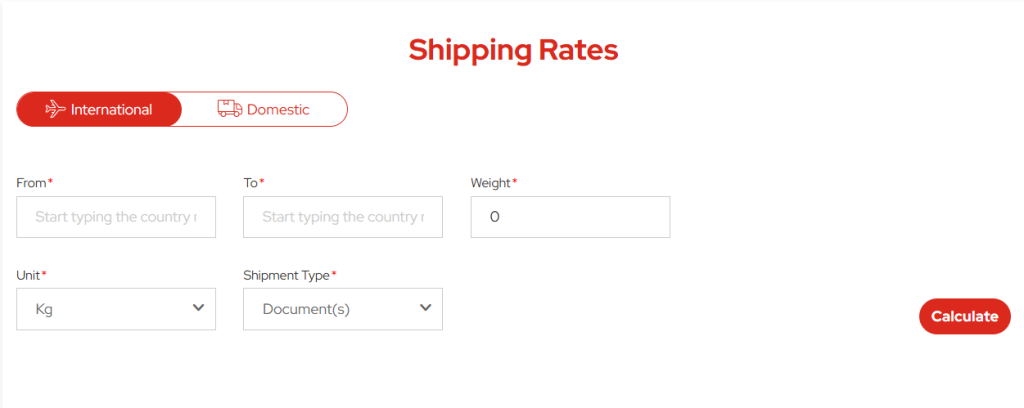
Different delivery services excel at different things. Some are better for local shipments, others for international deliveries or heavier parcels. Use online calculators and comparison tools to find the best option for each shipment.
Use the right packaging
Oversized boxes are one of the fastest ways to increase delivery costs. Use packaging that fits your items properly, and stick to standard box sizes where possible to avoid dimensional pricing penalties.
Consolidate shipments
Sending multiple items to the same place? Combine them into one shipment. Fewer parcels usually mean fewer handling fees — and lower overall costs.
Watch out for discounts
Many delivery services offer reduced shipping rates for frequent senders, bulk shipments, or long-term customers. If you ship regularly, it’s worth asking what discounts are available.
Plan ahead
Last-minute shipping is almost always more expensive. Giving yourself more lead time opens up cheaper delivery options and helps you avoid rush fees.
Related Reading: Customs delays are costing you: Here’s how to beat them
Why transparency matters (especially for businesses)
For businesses, hidden delivery costs don’t just affect margins — they affect trust. Customers hate unexpected charges, especially at checkout.
Being upfront about shipping rates, delivery timelines, and potential additional fees builds confidence and improves the overall customer experience. It also reduces complaints, returns, and awkward support conversations later.
If something isn’t clear, ask your delivery service to explain it. A good provider will always be transparent about how costs are calculated.
Key Takeaway
Hidden delivery costs aren’t always obvious, but they’re rarely unavoidable. By understanding how shipping rates are calculated, knowing where extra fees tend to hide, and planning your shipments carefully, you can keep delivery costs predictable and under control.
Whether you’re shipping one parcel or hundreds, a little knowledge goes a long way. Fewer surprises, better budgeting, and a smoother delivery experience — that’s a win for everyone. Here’s how we can help.