
In e-commerce, the spotlight always lands on last-mile delivery. A van. The doorstep. And then the “Out for Delivery” notification. But by the time a parcel reaches the last mile, most of the hard work should already be done.
The real make-or-break moment? The first mile.
First mile logistics is where a product begins its journey — leaving a factory floor, a small workshop, or even a spare bedroom stockroom, and entering the national shipping network. It’s not glamorous, and it doesn’t get tracking notifications. But if it’s inefficient, expensive or disorganised, the rest of the journey never quite recovers.
For any logistics company serious about supporting growth — especially in the world of SME logistics — first mile isn’t just a step. It’s the foundation.
Related Reading: The logistics playbook for startups: From first order to full scale
What first-mile logistics actually means (and why it matters)
First mile logistics is the very first physical movement of a product after it’s ready to ship. It’s the collection of goods from a factory, warehouse, studio or workshop and their transfer into a central hub or sorting facility.
If collections are delayed, poorly coordinated or overpriced, those issues ripple through the entire supply chain. Delivery promises become harder to meet, costs creep up, and margins shrink. Operational pressure builds downstream.
For large retailers with predictable volumes, first mile may feel routine. For SMEs, however, it’s often the most fragile — and expensive — part of the journey.
And when that first step isn’t working efficiently, no amount of last-mile optimisation can fully compensate.
Related Reading: From cart to doorstep: The truth about last-mile delivery
The SME first-mile problem no one talks about
Let’s look at a familiar scenario.
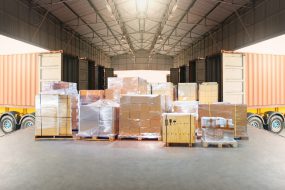
A small candle manufacturer lands a solid retail order. Two pallets need to be shipped. It’s a win, and growth feels real. Then comes the transport quote.
Hiring an entire truck for two pallets is like chartering a coach for four passengers. Technically possible, but financially painful. This is the first-mile dilemma facing thousands of small and medium-sized enterprises. They don’t ship enough volume to justify full-load transport, but they still need reliable access to national distribution networks.
For SME logistics, this gap can be the difference between scaling and stalling.
Without cost-efficient first-mile solutions, small businesses either absorb margin hits or raise prices — both of which hurt competitiveness. That’s where a smart logistics company steps in.
Consolidation: The quiet game-changer
One of the most effective ways to solve first-mile inefficiencies? Consolidation.
It’s simple in concept, powerful in execution. Instead of one SME paying for an underutilised truck, multiple businesses pool their shipments. Their pallets share space, the vehicle runs full, and costs are divided.
Consolidation centres act as the meeting point. A bakery’s goods, a fashion startup’s inventory, or a local cosmetics brand’s latest drop. All arriving separately, leaving together.
For SME logistics, this levels the playing field. It allows small brands to plug into national networks without the financial burden of full-truckload rates. Once consolidated, shipments move into the middle mile, connecting with larger carriers and established infrastructure.
Why first mile efficiency impacts the customer (even if they never see it)
Most consumers never think about first-mile logistics. They just see a delivery date.
But first-mile decisions directly affect:
- Shipping costs
- Delivery timelines
- Product availability
- The ability to offer “free shipping”
When logistics companies reduce first-mile costs through consolidation and smarter routing, SMEs gain breathing room. That margin can be reinvested in competitive pricing, better packaging, or faster delivery options.
In other words, better first-mile logistics quietly improves the end customer experience.
It also fuels diversity in the marketplace. When small producers can afford to ship nationally, customers get access to more unique, independent brands — not just the biggest players with the deepest pockets. That’s the broader impact of strong SME logistics support.
Related Reading: Why a reliable courier service beats low charges
Technology is changing the first-mile conversation
Historically, first mile was fragmented and manual. Phone calls, spreadsheets, guesswork – you name it.
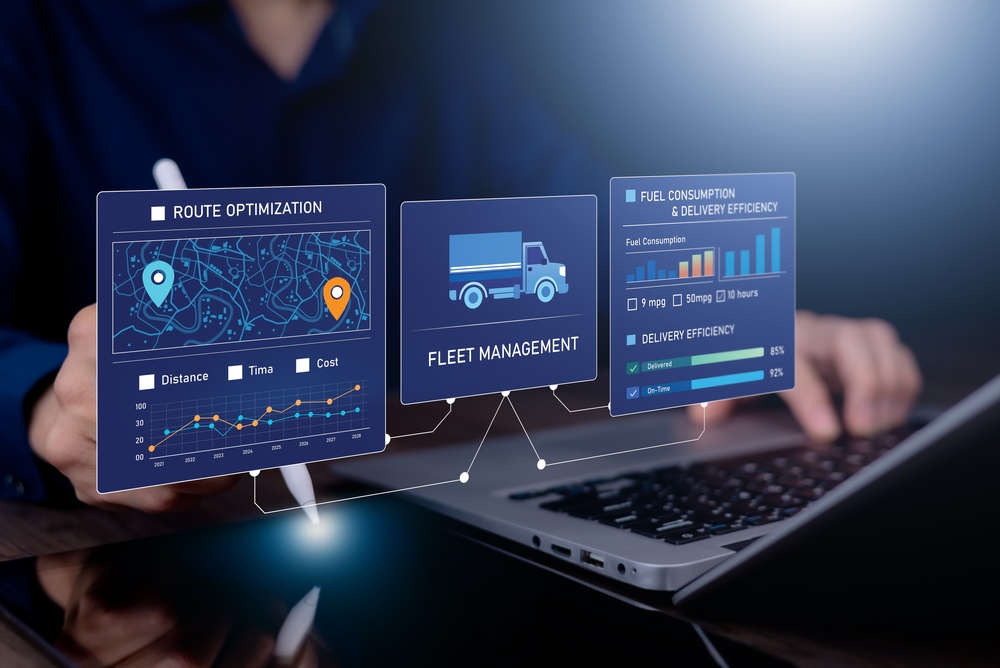
Today, smarter logistics companies are using:
- Route optimisation software
- Real-time collection scheduling
- Digital freight matching
- Predictive capacity planning
This technology makes consolidation smoother and more scalable. It reduces empty miles. It improves collection timing. It creates visibility from day one.
For SMEs, that visibility builds confidence. They can see where their shipment is from the very first handoff, not just once it enters the main network. And confidence encourages growth.
Why first-mile logistics is a strategic advantage
In a crowded e-commerce landscape, efficiency is currency.
Businesses often look at marketing, pricing or product innovation for competitive advantage. But operational infrastructure matters just as much. A logistics company that truly understands first-mile logistics — particularly in the SME logistics space — becomes more than a service provider. It becomes a growth partner.
Because when the first mile works:
- Costs stay controlled
- Lead times become predictable
- Expansion becomes realistic
- National reach becomes accessible
That’s more than operational improvement — that’s strategic enablement.
Related Reading: 3PL vs in-house fulfillment: What’s right for you?
Key takeaway
Last-mile delivery may be the most visible part of the journey, but first-mile logistics is where success really begins.
For SMEs, solving the first-mile challenge through consolidation, smarter routing, and the right logistics company partnerships unlocks growth that would otherwise be out of reach. In the race to optimise delivery, don’t just focus on the finish line. Start where it actually counts. Here’s how we can help.