
Local fulfilment is more than a logistics choice — it’s a competitive advantage.
In FMCG, logistics can make or break momentum. Long delivery times, high shipping costs, and stock issues quickly add friction to customer experience. Local fulfilment offers small FMCG brands a practical way to ship faster, manage inventory better, and stay competitive in a demanding market.
Start small, think strategically, and use technology to get the most out of local fulfillment — it could be the edge that propels your brand ahead of the competition.
Related Reading: Struggling with shipping? Here’s how to fix your fulfilment fast
What is local fulfilment?
Local fulfilment is exactly what it sounds like — storing and distributing your products from locations near the end consumer. Instead of shipping everything from one central warehouse, your inventory is closer to your customers.
The benefits are clear:
- Faster delivery: Shorter distances mean your products arrive quicker.
- Lower shipping costs: Less travel equals less money spent.
- Better inventory management: You can balance stock levels more efficiently.
- Happy customers: Quick deliveries make for loyal buyers.
For small FMCG brands, these advantages are more than just nice-to-have — they can be the difference between staying competitive and falling behind.
Related Reading: How to supercharge your e-commerce business: 6 hacks for smarter fulfilment
In-house fulfilment vs. 3PL: What works best?
Once you’ve decided to go local, the next question is: do you handle fulfilment yourself, or partner with a third-party logistics provider?
In-house fulfilment
Managing fulfilment in-house means you control everything — from storage to shipping. This is ideal if you want full oversight of your FMCG supply chain.
Pros:
- Full control over operations and quality
- Custom packaging and branding options
- Direct communication with customers
Cons:
- Resource-heavy — you’ll need staff, space, and technology
- Scaling can be tricky and costly as your business grows
3PL logistics solutions
Outsourcing fulfilment to a 3PL provider means letting specialists handle the logistics for you. This is often the easiest route for small FMCG brands wanting to scale without investing heavily in infrastructure.
Pros:
- Expert management of FMCG logistics
- Cost-effective and scalable
- Faster to implement than building in-house capabilities
Cons:
- Less direct control over operations
- Branding opportunities might be limited
The choice depends on your resources, growth plans, and how much control you want over your local fulfilment for FMCG brands.
Related Reading: How the right 3PL fuels growth for small brands
How technology boosts local fulfilment
Tech plays a huge role in making local fulfilment efficient. By investing in the right tools, small FMCG brands can streamline operations and respond faster to demand.
Essential systems include:
- Inventory management systems: Track stock in real time and avoid overstocking or stockouts.
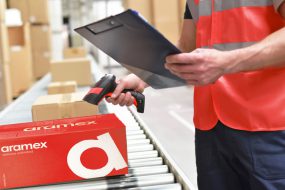
- Order management systems: Keep customer orders moving smoothly from pick to pack to delivery.
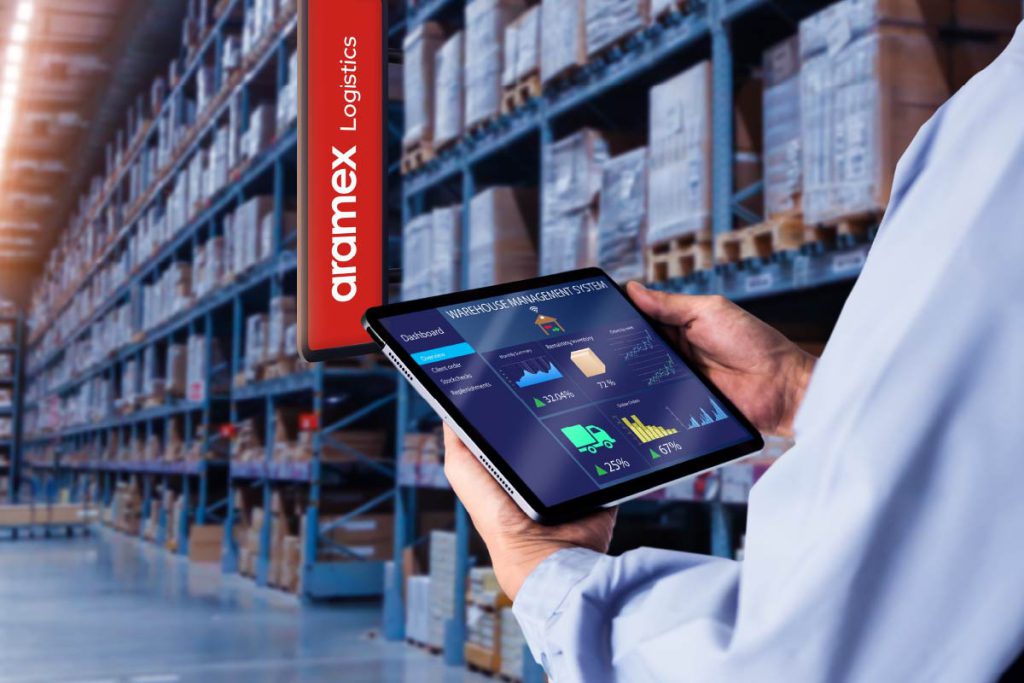
- Warehouse management systems: Optimise storage, automate picking and packing, and reduce errors.
- Data analytics: Understand trends, plan better, and make smarter business decisions.
Even small brands can access affordable solutions that give them the benefits of big-company logistics.
Steps to implement a local fulfilment strategy
- Assess your current supply chain: Look at shipping times, costs, and customer feedback to identify pain points.
- Choose your fulfilment approach: Decide between in-house fulfilment or a 3PL provider based on your resources and growth plans.
- Invest in technology: Tools for inventory, order and warehouse management are essential for smooth operations.
- Monitor and optimise: Use data to spot bottlenecks, track performance, and refine processes for efficiency.
Even small changes — like moving inventory closer to key customers or improving your order workflow — can have a big impact.
Success stories in local fulfilment
- A small organic snack brand partnered with a regional fulfilment centre and cut delivery times in half. Customer satisfaction shot up, and repeat orders increased.
- A boutique beverage company implemented in-house local fulfilment in two major cities, reducing shipping costs by 30% and improving stock management.
These examples show that local fulfilment isn’t just for big brands — small FMCG companies can reap huge benefits with the right approach.
Related Reading: Are you missing out? Mastering warehouse logistics for faster fulfilment
Key Takeaway
Local fulfilment is more than a logistics choice — it’s a competitive advantage.
For small FMCG brands, it means faster deliveries, lower costs, happier customers, and more control over your FMCG supply chain. Whether you opt for in-house fulfilment or partner with a 3PL, the goal is the same: a smarter, faster, and more efficient operation that helps your brand grow.
Start small, think strategically, and use technology to get the most out of local fulfilment — it could be the edge that propels your brand ahead of the competition.
Ready to change your fulfilment game? Get in touch today.