
Cold chain logistics has a bit of a reputation problem. It’s often seen as something only massive FMCG brands deal with — the kind with global footprints, giant warehouses, and even bigger budgets.
But that thinking is outdated.
Today, businesses of all sizes are working with temperature-sensitive products. From independent food producers and specialty beverage brands to growing pharmaceutical and wellness companies, reliable cold chain logistics has become essential.
If freshness, safety, or product integrity matters to your business, cold chain logistics should be on your radar.
Related Reading: The ultimate guide to streamlining e-commerce deliveries
What does “cold chain” actually mean?
At its core, a cold chain is a temperature-controlled supply chain designed to protect products that can’t handle heat, humidity, or fluctuations in storage conditions.
This includes fresh food, frozen goods, dairy, vaccines, medicines, and a growing list of health, beauty, and FMCG products.
The goal is simple: keep products within a safe temperature range from production all the way to the final delivery point — without breaks, delays, or surprises.
The building blocks of cold chain logistics
Cold chain logistics isn’t one thing — it’s a system that works because every part plays its role.
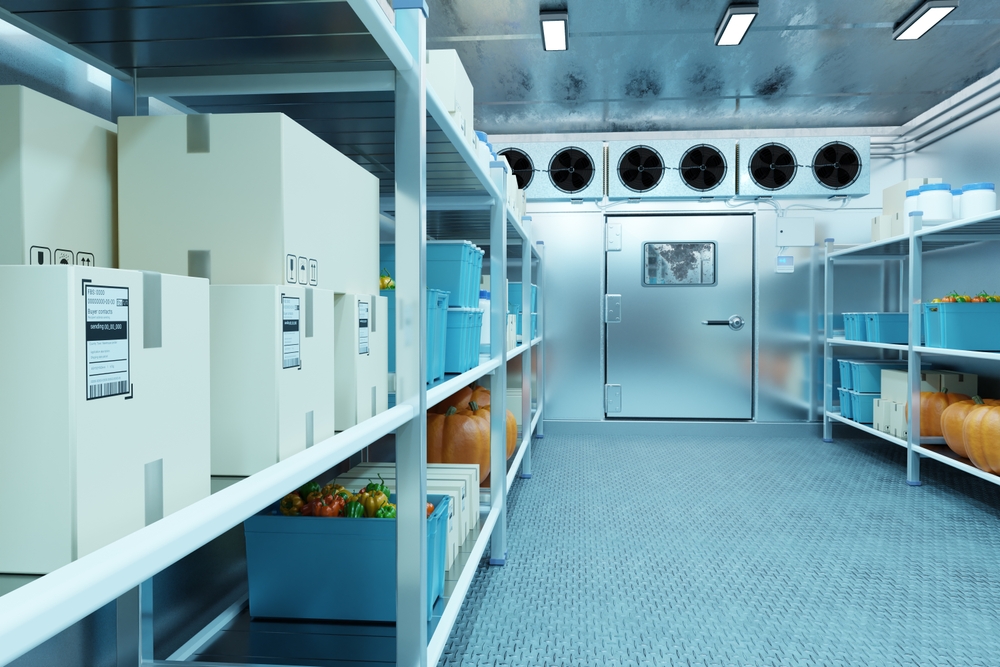
Temperature-controlled storage
Refrigerated warehouses and cold rooms ensure products stay stable while waiting to move through the supply chain.
Refrigerated transport
Specialist vehicles maintain consistent temperatures during transit, whether goods are travelling across town or across borders.
Monitoring and visibility
Sensors and tracking tools provide real-time insights into temperature and conditions, allowing issues to be spotted and fixed quickly.
Smart handling and packaging
From insulated packaging to clear handling protocols, how products are packed and moved matters just as much as where they go.
Together, these elements form a cold chain supply chain that protects quality at every step.
Related Reading: Navigating customs: Top 5 mistakes small businesses make
Why cold chain matters beyond big FMCG brands
Cold chain logistics isn’t about size — it’s about responsibility.
Protecting product quality and safety
For smaller businesses, reputation is everything. A spoiled product or compromised shipment can damage trust quickly.
Cold chain logistics helps ensure products arrive exactly as intended, protecting both customers and brand credibility.
Extending shelf life and reducing waste
Not every business moves stock at the speed of a multinational FMCG brand. Cold chain solutions help extend shelf life, giving products more time to sell and reducing unnecessary waste.
That’s good for margins — and for sustainability.
Meeting regulatory requirements
Food, pharmaceutical, and health products come with strict handling regulations. A reliable cold chain supply chain helps businesses stay compliant and avoid costly penalties or recalls.
For growing brands, this is often the difference between scaling safely and hitting a wall.
Making cold chain work for smaller businesses
The good news? You don’t need to build a cold chain from scratch.
Partnering with cold chain specialists
Many businesses choose to work with logistics providers that already offer FMCG logistics and cold chain expertise. This gives access to infrastructure, equipment, and know-how — without heavy upfront investment.
Outsourcing also frees teams up to focus on growth, not temperature logs.
Technology that’s easier (and cheaper) than ever
Real-time monitoring tools, smart sensors, and automated alerts are now more accessible than ever. These technologies help businesses respond quickly to temperature changes and maintain visibility throughout the journey.
Better efficiency, stronger customer trust
With fewer losses, less waste, and more consistent deliveries, cold chain logistics supports smoother operations and happier customers — even at smaller volumes.
Related Reading: Aramex air freight market monitor
Real-world cold chain success stories
A regional food producer looking to expand into new retail outlets partnered with a cold chain logistics provider to protect freshness during transport. The result? Longer shelf life, wider distribution, and stronger retailer relationships.
Meanwhile, a growing pharmaceutical brand used cold chain solutions to safely launch a temperature-sensitive product. Meeting regulatory standards from day one helped them enter the market confidently and scale faster.
What’s next for cold chain logistics?
Demand for fresh, safe, and traceable products continues to grow — and cold chain logistics is evolving to keep up.
Smarter tech
AI, predictive analytics, and blockchain are improving transparency, forecasting, and traceability across cold chain supply chains.
Sustainability takes centre stage
Energy-efficient refrigeration, route optimisation, and eco-friendly packaging are becoming priorities as businesses work to reduce environmental impact.
For FMCG logistics, cold chain innovation isn’t just about performance — it’s about responsibility.
Related Reading: Affordable shipping solutions to help small businesses grow
Key Takeaway
Cold chain logistics isn’t just for big FMCG brands — it’s for any business that cares about quality, safety, and growth.
With the right partners, technology, and approach, businesses of all sizes can benefit from a reliable cold chain supply chain. From extending shelf life to meeting regulations and building customer trust, cold chain solutions help future-proof operations in an increasingly demanding market.
If your products need protection, consistency, or care — cold chain logistics isn’t a luxury. It’s a smart business move. Talk to our experts and get it done right.