

Launching an e-commerce brand has never been easier. Scaling one? That’s where things get complicated.
One viral TikTok. One successful Black Friday campaign. One influencer mention. Suddenly, your spare-room stock setup turns into organised chaos — and traditional warehousing solutions simply can’t keep up.
Today’s startups need logistics that move as fast as their customers do. That’s exactly why flexible warehousing is rapidly becoming a must-have in modern e-commerce warehousing.
Instead of signing long-term leases or committing to expensive storage space they may not even use, brands are turning to flexible fulfilment centres that scale up (or down) whenever demand changes.
The result? Lower costs, faster shipping, and far less operational stress.
Here’s why flexible warehousing solutions are transforming the way startups grow.
Related reading: Startups, here’s how warehousing & distribution can skyrocket your business
The end of the long-term warehouse lease
Not long ago, growing your business meant taking a huge financial gamble.
If you needed more storage space, your options were limited:
- Sign a costly multi-year warehouse lease
- Commit to rigid third-party logistics contracts
- Or try to squeeze inventory into every available corner of your office
None of those options worked particularly well for fast-growing startups.
Traditional warehousing models were built for predictability. But e-commerce businesses rarely grow in straight lines. Sales spike unexpectedly, trends move quickly, and seasonal demand can change overnight.
That’s where flexible warehousing solutions come in.
Instead of locking businesses into long-term commitments, modern fulfilment centers allow brands to:
- Pay only for the space they actually use
- Increase storage during busy periods
- Reduce capacity during slower months
- Access nationwide fulfilment networks without major upfront costs
For startups, that kind of flexibility changes everything.
Rather than spending money on empty warehouse space “just in case”, brands can invest more into marketing, product development, and customer experience.
E-commerce warehousing is becoming the “cloud storage” of logistics
Think about how cloud storage works.
You don’t buy a giant server upfront hoping you might eventually need it. You simply upgrade your storage when demand increases.
Flexible e-commerce warehousing works in exactly the same way.
Instead of renting an entire warehouse, businesses now use shared fulfilment centers where they only pay for the inventory they’re storing at that moment.
This “pay-as-you-grow” model helps startups avoid one of the biggest operational mistakes: overspending on logistics too early.
Most flexible warehousing providers charge based on:
- The number of pallets or units stored
- Pick-and-pack activity
- Shipping volume
- Length of storage time
That means costs stay closely aligned with actual business performance.
If sales increase suddenly, storage expands with them. If demand slows, expenses shrink too.
For growing e-commerce brands, this creates a far more sustainable way to scale.
Related reading: Why every e-commerce brand is obsessed with e-commerce warehousing right now
Handling seasonal sales without the panic
Every e-commerce founder knows the feeling.
The holiday season arrives, orders explode, and suddenly your normal setup can’t cope.
One week you’re shipping a few dozen orders. The next, it’s thousands.
Traditional warehousing models force businesses to prepare months in advance by renting additional space they may only need temporarily. That approach is expensive — and incredibly inefficient.
Flexible fulfilment centers solve this problem by giving startups temporary access to extra capacity exactly when they need it.
This is especially valuable for brands managing large product catalogues and multiple SKUs.
Imagine a candle business launching:
- Five new festive scents
- Three limited-edition gift boxes
- Seasonal packaging options
Inventory complexity increases immediately.
With scalable e-commerce warehousing, businesses can quickly add temporary storage and fulfilment support during peak periods without hiring additional staff or signing long-term agreements.
Even better, many fulfilment centers already have trained warehouse teams in place, meaning startups can focus on:
- Marketing campaigns
- Customer support
- Product launches
- Scaling revenue
Instead of worrying about packing boxes until midnight.
Related Reading: The Secret to smarter warehousing: What you need to know
Faster delivery without massive shipping costs
Fast delivery used to be something only major retailers could afford.
Now, flexible warehousing is helping smaller brands compete on speed too.
The secret lies in micro-fulfilment.
Rather than storing all inventory in one large warehouse, businesses distribute stock across multiple local fulfilment centers located closer to customers.
This approach dramatically improves shipping efficiency.
By positioning inventory nearer to buyers, brands can:
- Reduce delivery times
- Lower shipping costs
- Avoid expensive air freight
- Improve customer satisfaction
For startups operating on tight margins, those savings matter.
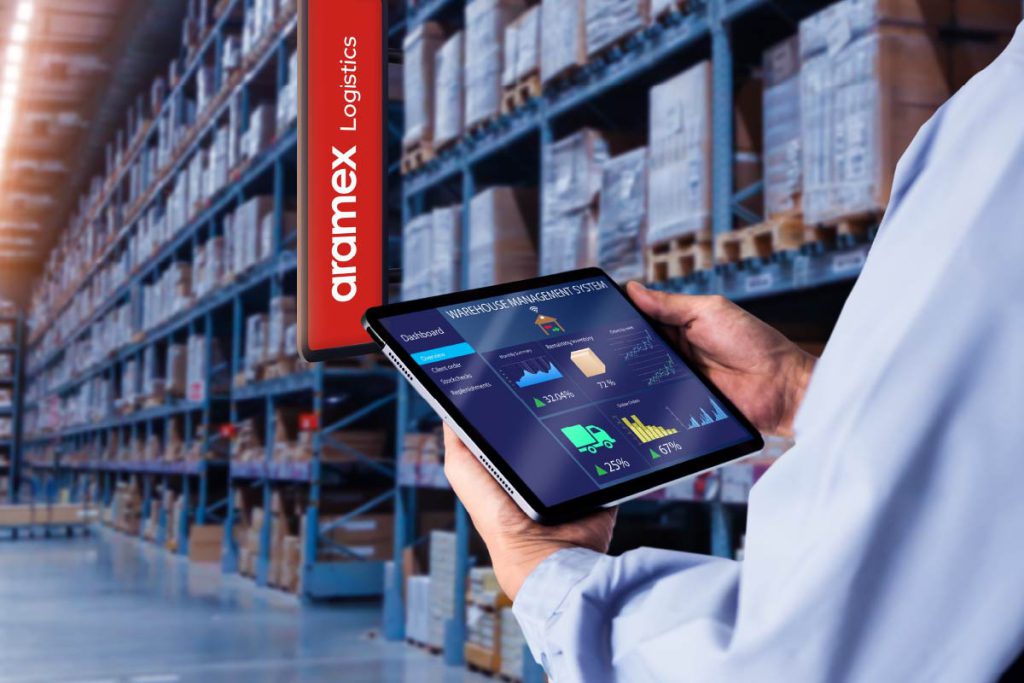
Many modern warehousing solutions also include cloud-based inventory management systems that track stock levels in real time across multiple locations.
This gives businesses better visibility, faster order processing, and fewer fulfilment delays.
In other words, startups can now offer delivery experiences that rival much larger e-commerce competitors — without needing enterprise-level budgets.
Why flexible warehousing gives startups a competitive edge
At its core, flexible warehousing is about agility.
Startups succeed by adapting quickly:
- Testing new products
- Entering new markets
- Responding to trends
- Scaling campaigns rapidly
Rigid logistics systems slow all of that down.
Modern fulfilment centers, on the other hand, allow businesses to scale operations without massive risk.
The ability to expand inventory, increase shipping capacity, and reach customers faster gives startups a serious competitive advantage in crowded e-commerce markets.
And perhaps most importantly, flexible warehousing solutions remove one of the biggest growth barriers for emerging brands: operational overwhelm.
How to choose the right warehousing solutions for your business
Not all warehousing providers are built the same.
Before choosing a fulfilment partner, startups should evaluate a few key areas:
Technology integration
Can the provider connect seamlessly with your e-commerce platform and inventory systems?
Fulfilment network
Do they have fulfilment centers located near your customers?
Scalability
Can they support rapid growth during busy sales periods?
Flexible pricing
Are there minimum volume commitments or long-term contracts?
Real-time visibility
Can you track inventory and orders across locations easily?
The right e-commerce warehousing partner should feel like an extension of your business — helping you scale efficiently without adding unnecessary complexity.
Related reading: Unlock faster, smarter growth with these next-level warehousing services
Key takeaway
Flexible warehousing is no longer just a logistics trend — it’s becoming essential for modern e-commerce growth.
By giving startups access to scalable warehousing solutions, flexible fulfilment centers allow brands to grow faster, reduce operational costs, and deliver better customer experiences without the burden of traditional long-term contracts.
For ambitious e-commerce businesses, the future of logistics is clear: smarter, leaner, and built for rapid growth.Ready to get started? Here’s how we can help.