
Every online order sets a timer in motion. From the moment a customer clicks “Buy Now”, they’re waiting for one thing: a fast, hassle-free delivery. How quickly you can get that order out the door often determines whether they’ll shop with you again. Whether you’re selling skincare, sneakers, or handmade candles, customers want their order delivered on time and tracked every step of the way.
The obvious solution is to throw more resources at the problem. Bigger warehouses. More people. More vehicles. But faster fulfillment doesn’t always require a bigger budget.
Some of the biggest gains come from improving the way your operation works. Small changes to your warehouse, technology, and logistics partners can shave valuable time off every order while keeping costs firmly under control.
Here are five practical ways to make it happen.
Related Reading: Last-mile delivery: What online stores need to know
1. Start with your warehouse
A slow warehouse = slow deliveries.
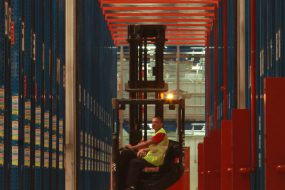
If your team spends valuable time walking across the warehouse looking for products, every order takes longer to fulfill. Multiply that across hundreds of orders a day, and those lost minutes quickly become lost revenue.
One of the easiest wins is to rethink your warehouse layout.
Keep your best-selling products closest to packing stations, group items that are frequently ordered together, and review your storage setup regularly as buying patterns change. Technology can make an even bigger difference. A warehouse management system (WMS) gives you real-time visibility of your inventory, helping you locate products faster, avoid stock shortages and reduce costly picking errors.
You don’t need a giant fulfillment centre to benefit from smarter warehousing solutions – just a well-organised one.
2. Don’t be afraid to outsource
Many growing businesses assume they need to do everything themselves. But in reality, outsourcing parts of your e-commerce fulfillment can actually help you grow faster while reducing costs.
Working with an experienced logistics partner gives you access to existing warehouse infrastructure, shipping networks and fulfillment expertise without the expense of building your own. For example, if most of your customers live in another city – or even another country – using fulfillment centres closer to those customers can dramatically reduce delivery times.
The same applies to last-mile delivery. Rather than managing your own delivery fleet, partnering with trusted courier services gives you access to established delivery networks that are already built for speed and efficiency. Instead of investing heavily up front, you benefit from infrastructure that’s already in place.
3. Let technology do the heavy lifting
Every manual task creates another opportunity for delays. If your team is copying customer details between systems, printing labels individually, or manually updating tracking information, you’re spending valuable time on work that software can do in seconds.
Modern order management platforms automatically connect your online store, warehouse, and shipping providers, allowing orders to flow through the fulfillment process with minimal intervention.
Even relatively small upgrades can have a noticeable impact.
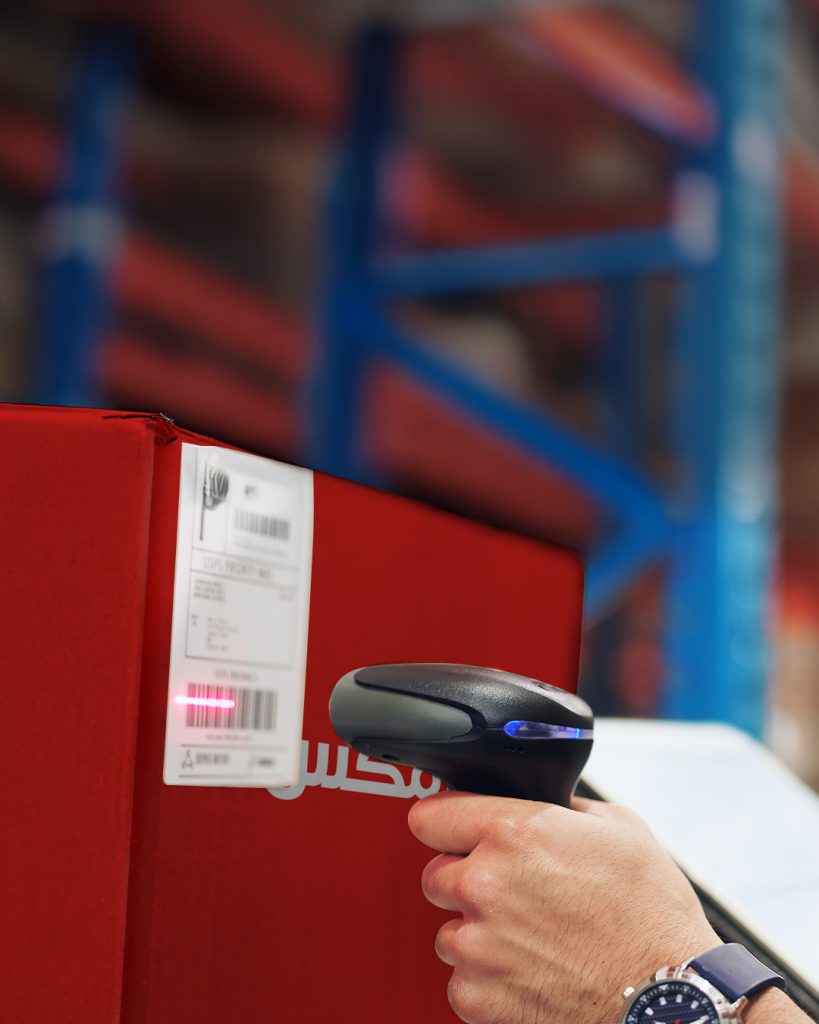
Barcode scanners reduce picking errors. Mobile devices speed up stock checks. Automated shipping labels eliminate repetitive admin. Together, these improvements help your team process more orders in less time.
You don’t need warehouse robots to create a faster operation. Often, a handful of simple technology upgrades delivers the biggest return.
Related Reading: How to master first-mile logistics: Avoid common pitfalls
4. Rethink your last-mile strategy
The final journey from warehouse to customer is usually the most expensive – and the most unpredictable – part of the delivery process.
Traffic, missed deliveries, and failed first attempts can quickly add costs while frustrating customers. The good news is that there are plenty of ways to improve last-mile delivery without dramatically increasing your budget.
Offering customers more delivery options can make a significant difference. Scheduled delivery windows, collection points, and parcel lockers all help reduce failed deliveries while giving customers greater flexibility. Route optimisation software also helps drivers complete more deliveries in less time by selecting the most efficient routes throughout the day.
Then there’s communication.
Customers are generally understanding if they’re kept informed. Real-time tracking and proactive delivery updates reduce uncertainty, improve the overall experience, and minimise “Where’s my order?” enquiries to your customer service team. Sometimes, better communication is just as valuable as faster delivery.
Related Reading: Why delivery experience makes or breaks a brand
5. Measure what matters
One of the quickest ways to improve fulfillment is to start paying closer attention to what’s actually happening.
If you don’t measure performance, it’s difficult to know where delays are creeping in. Track key metrics such as:
- Order processing time
- Dispatch speed
- Delivery performance
- Picking accuracy
- Customer feedback
These numbers tell a story. Maybe orders are packed quickly, but they are waiting too long for collection. Perhaps one product category consistently causes picking delays. Or maybe deliveries are arriving on time, but customers are unhappy because communication is poor. Regular reporting helps you spot patterns before they become bigger problems.
It’s also worth reviewing your processes every few months. Consumer expectations change quickly, and the fulfillment strategy that worked a year ago may no longer be your most efficient option.
Continuous improvement doesn’t always require major change. Often it’s the small adjustments, made consistently, that have the biggest impact.
Fulfillment doesn’t have to be expensive
Many businesses assume that faster fulfillment requires a bigger warehouse, a larger team, or a much higher budget.
More often than not, it comes down to smarter decisions.
Better warehouse layouts, stronger logistics partnerships, simple automation, more efficient last-mile delivery, and regular performance reviews can all improve e-commerce fulfillment without significantly increasing costs.
As your business grows, these improvements become even more valuable. Faster fulfillment means happier customers, fewer operational headaches and more time to focus on growing your brand.
Related Reading: From cart to doorstep: The truth about last-mile delivery
Key takeaway
Speed doesn’t always come from spending more – it comes from removing friction. By optimising your warehouse, embracing the right technology, partnering with experienced logistics providers and continually refining your processes, you can create a faster, more efficient fulfillment operation that delights customers without putting pressure on your bottom line.
Ready to put these strategies into action? Explore Aramex’s e-commerce fulfillment solutions and build a faster, more efficient fulfillment operation.